Turn Your Book Into a Trophy with a Special Edition
By: Ginger | Posted on June 26, 2026
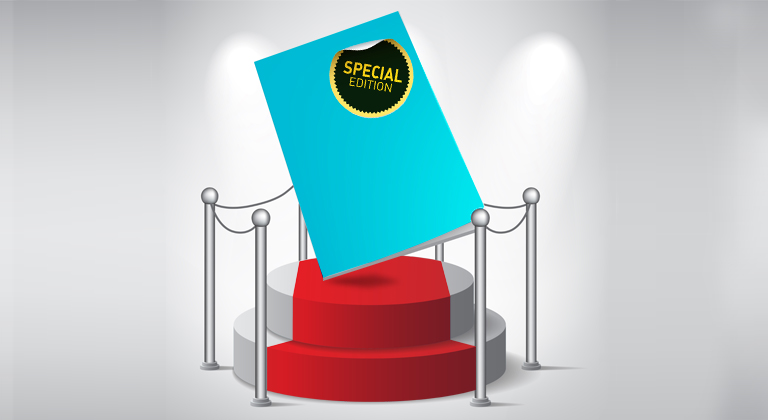
For many self-published authors, publishing a physical copy of their book is little more than an eBook afterthought. But a growing trend among readers who first discover books digitally is beginning to change that. Increasingly, readers are purchasing special edition paperback and hardcover copies of stories that had a meaningful emotional impact on them, not because they need another way to read the book, but because they want to own it. These keepsake editions often end up proudly displayed on bookshelves, serving as trophies that commemorate a memorable reading experience. This week, Ginger explores this shift in reader purchasing habits and the opportunity it creates for authors willing to think beyond standard print-on-demand options. From understanding the psychology behind collectible books to exploring the design and production choices that can transform a paperback into a premium product, he outlines a variety of ways authors can create physical editions that readers… Read More >

When Diversity Changes the Story
By: Ginger | Posted on June 19, 2026
One of the biggest challenges in modern storytelling is finding ways to make fictional worlds feel more reflective of the audiences reading and watching them today. Most readers agree that greater diversity in fiction is a good thing, but there is often far less agreement about how those changes should be implemented, particularly when adapting existing stories for a new generation. In this week’s blog, Ginger examines why some diversity decisions are embraced by audiences while others generate controversy, and what authors can learn from the difference. Using examples from film, television, books, and recent adaptation debates, he explores how character dynamics, worldbuilding, and narrative context can influence whether a creative choice feels thoughtful or forced. In the end, the choices writers make should always serve to make those characters and stories feel authentic, intentional, and true to the world they live in. Let me be upfront about something: I… Read More >

What Writers Can Learn from The Boys Finale
By: Ginger | Posted on June 12, 2026
The ending of a long-running series is often where storytelling ambitions collide with audience expectations. Readers and viewers want satisfying payoffs, beloved characters to receive meaningful conclusions, and years of investment to feel worthwhile. Achieving this with an original work is hard enough, but when adapting existing source material it becomes even more difficult, as was the case with Prime Video’s comic-book-turned-streaming-hit, The Boys. It was probably inevitable that the show’s finale would stir up controversy, but it also provides writers with a fascinating example of how theme, character arcs, and adaptation choices can shape the success or failure of an ending. In this week’s blog, Ginger examines what The Boys got right, where it stumbled, and why some of its biggest departures from the original comic may have ultimately strengthened the story. By going through what changes were made and why, it becomes clear that strictly following an original… Read More >
The Hidden Cost of Self-Censorship in Fiction
By: Ginger | Posted on June 5, 2026
For many authors, the hardest editor to overcome is not a publisher, reviewer, or even a reader. It is the quiet voice in the back of their own mind asking whether a scene goes too far, whether a character will offend someone, or whether a bold creative choice is worth the potential backlash. We live in an age where what we write is scrutinized more closely than ever before, and many authors have quietly begun censoring themselves long before a reader ever sees the page. In this week’s blog, Ginger explores whether modern storytelling has become overly restrained and what may be lost when authors begin sanding down the rough edges of their work. Drawing on examples from film, television, publishing, and the surprising success of the dark romance genre, he examines the difference between thoughtful storytelling and self-censorship, why readers are often more capable of handling difficult material than… Read More >