
Writing for the Highly Profitable Christmas Romance Market


By: Ginger on December 5, 2025




Every year, Christmas romance returns to the charts and dominates the digital shelves, largely because readers can never get enough of cozy atmospheres, festive tropes, and heartwarming endings. It has become one of the most profitable and reliable niches in the industry, which is why so many authors return to it year after year.
In today’s blog, Ginger breaks down what sells, what readers expect, and how to position a Christmas romance so it performs during the biggest book-buying season of the year. Whether you write sweet romance, full-on steam, or small-town cozy charm, this guide offers practical advice on covers, tropes, subgenres, and the creative choices that turn a seasonal idea into a lasting, income-producing book. Before you start drafting your own Christmas romance, take a moment to learn what makes this niche so powerful.
Tis the season!
For some of us, it’s the season of maxing out our credit cards and waiting impatiently for the new year (and the next paycheck.) For others, it’s time to gather family and friends, put on the Hallmark Channel, and revel in the spirit of the holiday season.
What’s not to love? The smell of pine needles, the glow of twinkling lights, the promise of snow, and perhaps, just maybe, the warmth of finding love during the most magical time of year.
That’s why Christmas romance has become one of publishing’s most lucrative and beloved niches, so much so that I dedicated an entire article to seasonal publishing just a couple of weeks ago!
But this week, I wanted to go a little deeper and focus on the specifics of writing holiday-themed fiction. I chose romance because it’s definitely the easiest and most viable genre to write in if you’re going for a Christmas-themed story.
So if you’re a self-published author wondering whether to write seasonal romantic fiction, here’s everything you need to know.
The Christmas Romance Phenomenon
As I pointed out in my previous article, seasonal fiction is a serious industry trend—and Christmas romance in particular isn’t just a genre—it’s a juggernaut.
The Christmas romance book market in 2025 is a wild one. There’s the perennial demand for cozy, festive narratives with relatable tropes like fake dating and small-town settings, but now there are paranormal romances, romantasy, and even monster romance books joining the more traditional titles on the digital bookshelves. This is a niche that just won’t stop growing.
Romance novels themselves generate over $1.44 billion in revenue, making romance the highest-earning genre of fiction. Within this massive market, Christmas romance carves out a significant seasonal slice. Almost 25% of all book sales throughout the year occur during the holiday season, with nearly 12% happening around Christmas alone, and approximately 30% of book sales occur during November and December.
The week before Christmas traditionally sees the biggest book-buying surge of the year, with sales jumping 30.5% over the previous week and units topping 29.6 million. This means there’s a lot of competition out there, but for romance authors specifically, there’s also an unparalleled opportunity to make an impact.
Popular Christmas romance titles have demonstrated remarkable staying power. Social media platforms like TikTok have amplified visibility for titles like Lovelight Farms and Window Shopping, driving their commercial success. What makes Christmas romance particularly interesting is its predictable annual resurgence—books published years ago continue generating sales every December. I know this first-hand because of my infamous Die Hard-themed holiday romance Codename: Mistletoe, which still continues to sell copies year after year.
However, here’s a critical insight that might surprise you: While Christmas titles sold significantly less outside their season, Halloween romance titles like The Ex Hex by Erin Sterling and Payback’s a Witch by Lana Harper had steady weekly sales throughout spring and summer. If you’re choosing between seasonal romances, Halloween may offer more year-round viability than Christmas, though Christmas’s peak is undeniably higher.
Understanding Reader Expectations: The Golden Rule of Seasonal Romance
Writing Christmas romance means entering into an unspoken contract with readers. They’re coming to your book with specific expectations, and meeting those expectations isn’t just recommended, it’s essential for success.
Christmas romance readers want comfort, predictability, and emotional satisfaction. They’re not looking for gritty realism or subversive storytelling that challenges the holiday spirit. They want to feel cozy, hopeful, and ultimately satisfied that love triumphs during the most romantic time of year. This means your book will need to deliver:
- The Holiday Atmosphere: Readers expect to feel Christmas throughout your story. This isn’t just mentioning a Christmas tree in chapter three. It’s the sensory details: the scent of gingerbread, the sound of carols, the visual of fresh snow, the taste of hot chocolate. Perhaps even the Dad of the family hefting around a garbage bag demanding everybody throw their wrapping paper inside of it. Every scene should remind readers that Christmas is happening.
- The Happily Ever After: This is non-negotiable in romance, but it’s especially important in Christmas romance. Readers are seeking comfort and joy. Bittersweet endings or “happy for now” conclusions will disappoint your target audience. They want the couple together, committed, and happy by the final page. Think Hallmark Movie ending!
- The Spirit of the Season: Your story should embody Christmas values like generosity, family, community, second chances, and redemption. Even if your protagonist starts as a grump who hates Christmas (a popular trope), they need to rediscover the magic by the end. Your books don’t need to be explicitly Christian (although that’s a genre in and of itself) but they should remind people of all faiths why this time of year is so important.
- Appropriate Heat Levels: Christmas romance ranges from sweet (no sex scenes) to steamy (explicit content). For the record, Codename: Mistletoe is hot enough to roast chestnuts. Know your subgenre and deliver accordingly. Sweet Christmas romance readers will be shocked by graphic scenes, while readers seeking spice will be disappointed by fade-to-black. Be clear in your marketing about what heat level you’re providing.
Meeting reader expectations doesn’t mean your book must be formulaic or boring. It means you’re working within a beloved framework and bringing your unique voice, characters, and creativity to it. The best Christmas romances feel familiar yet fresh. Like coming home but finding new decorations.
Cozy and Small Town Subgenres
Christmas romance naturally aligns with certain romance subgenres, with cozy and small-town romance being the most popular pairings. You don’t need to take my word for this, just look at the legions and legions of Hallmark Movies with small-town settings if you don’t believe me!
Cozy Christmas Romance emphasizes comfort, warmth, and low-stakes conflict. These stories often feature:
- Bookshops, bakeries, coffee shops, or other charming small businesses
- Tight-knit communities where everyone knows everyone
- Gentle humor and heartwarming moments
- Minimal external conflict—the tension comes from internal character growth and romantic misunderstandings
- Family gatherings and holiday traditions
- Lower heat levels (typically sweet to mildly steamy)
Think of cozy Christmas romance as the literary equivalent of wrapping yourself in a soft blanket with hot cocoa. Readers come to these books specifically for stress relief and emotional comfort. They want the reassurance of a warm, satisfying happily-ever-after ending.
Small-Town Christmas Romance takes advantage of the fact that Christmas feels more magical in close-knit communities. Small town and sweet romances are a match made in heaven. Throw in a Christmas pageant with a single father in need of some help sewing his daughter’s costume and you have a meet cute many readers can’t resist.
Small-town settings offer built-in advantages:
- Community holiday events (tree lighting ceremonies, Christmas markets, pageants)
- Everyone knows everyone’s business, creating natural conflict and comedy
- Strong sense of belonging and tradition
- Clear contrast with big-city life (perfect for the city-to-small-town trope)
- Opportunities for chosen family and community support
The small-town setting also provides natural gathering places and events that push your characters together. The annual gingerbread competition, the town’s Christmas festival, the church choir, these communal activities create organic opportunities for interaction and romance.
Even better, if you’re a romance author already and have a fictional small-town for your regular books, this is the perfect opportunity to give your readers a different perspective on a place they’ve already come to know and love.
Making Your Book Look Like Christmas
I’ve written before about how important your cover is, and that’s even more important with seasonal fiction. In Christmas romance, your cover is your first promise to readers that you’re delivering the holiday experience they crave. There’s a distinct visual language for Christmas romance covers, and deviating too far from it can cost you sales.
Want an example? Just check out how similar all the posters for Hallmark’s Christmas Movies are. It’s almost creepy how they all mirror the same colors, shades, and elements.
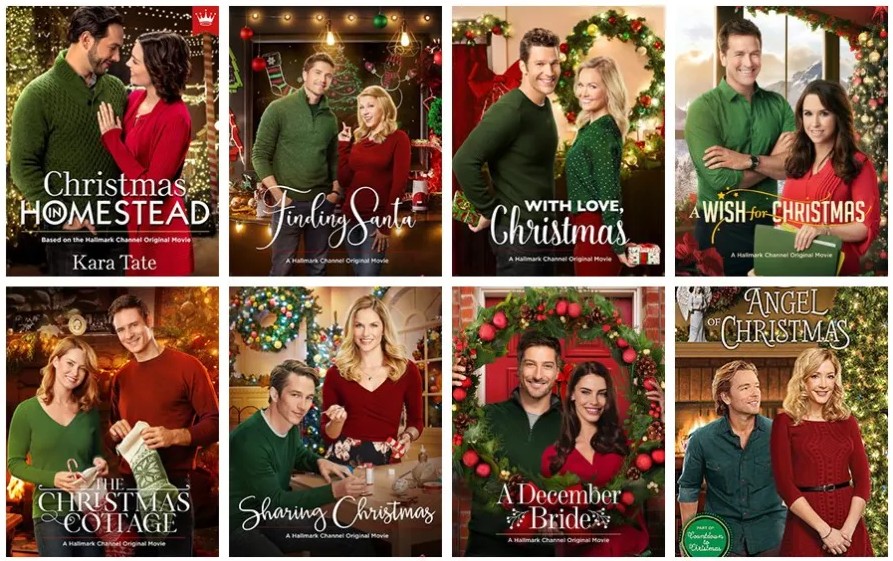
Back to book covers. Holiday-themed covers include a lot of wreaths, decorated trees, festive lights, snow-covered landscapes, and roaring fires, with colors of red, green, and gold being extremely popular. Wintry blue and white themes also work.
Color Palette Essentials: The classic Christmas colors dominate: red, green, gold, and white. Red and green plaid patterns are ubiquitous in Christmas decor and translate well to romance covers. Wintry blues and silver create a more elegant, upscale feel. Warm neutrals (cream, brown, tan) combined with pops of red or green signal cozy small-town romance.
Study bestselling Christmas romance covers on Amazon and note how they use color. Your cover should immediately signal “Christmas” from the thumbnail view. This single step can drive the majority of traffic to your product page, so make sure you get it right.
Common Visual Elements:
- Snow (falling, on the ground, on evergreen branches)
- Christmas lights (string lights, lanterns)
- Wreaths, ornaments, or garland
- Cozy settings (fireplaces, cabins, small-town storefronts decorated for the holidays)
- Plaid patterns (especially red and green tartan or buffalo check)
- Pine trees, either decorated or snow-covered
- Holiday props (mugs of hot chocolate, wrapped presents, stockings)
Typography Trends: Christmas romance titles often use script fonts or hand-lettered styles that feel warm and personal. Alternatively, bold sans-serif fonts paired with decorative elements (snowflakes, ornaments, lights) work well. The key is readability combined with festive charm.
Illustration vs. Photography: Contemporary romance covers often feature people, readers want to see their handsome hero, while rom-com books generally use a cartoon-illustrated style with an adorable, comforting feel. Both approaches work for Christmas romance. Photographic covers with models in cozy winter wear (sweaters, scarves, holding mugs) appeal to contemporary romance readers, while illustrated covers with charming scenes signal rom-com or cozy romance.
The Dress Code Matters: Think of cover design as a dress code for a party. If every other book at the Christmas romance party is wearing red and green, your book in neon orange and black won’t just stand out, it’ll look like it’s at the wrong party. Readers scrolling through Christmas romance categories make split-second decisions based on visual cues. Your cover needs to fit in while still catching the eye.
This doesn’t mean your cover should be generic or boring. Within the Christmas romance aesthetic, there’s room for creativity, unique compositions, and eye-catching designs. But the foundational elements—the colors, the holiday imagery, the overall vibe—should clearly communicate “Christmas romance” to potential readers.
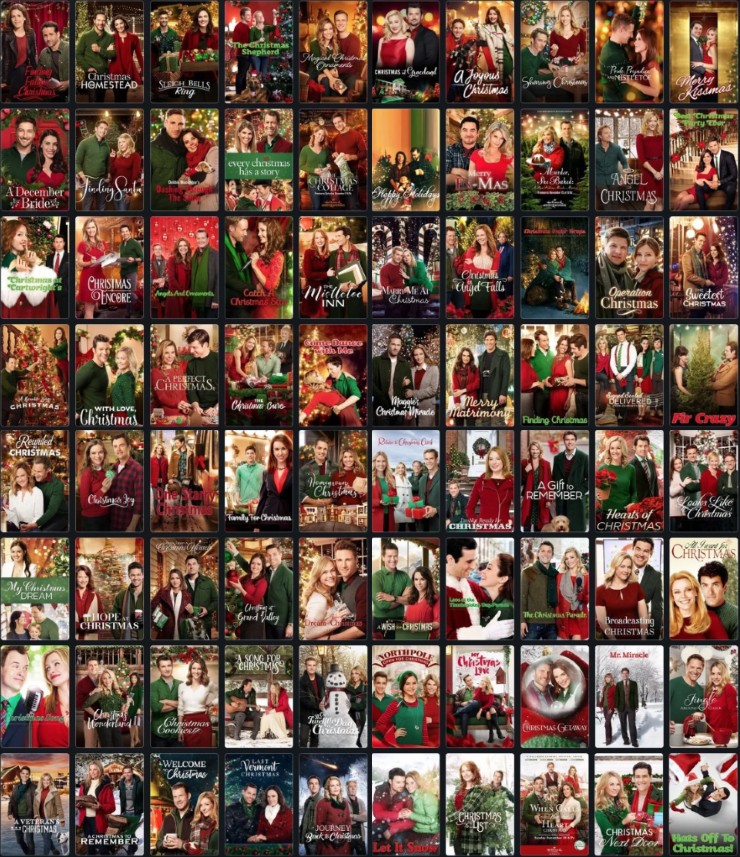
Once again, I’ll point you to the posters for all those Hallmark Christmas movies. You might criticise them for being formulaic. I salute them for giving their audience exactly what they expect.
Conclusion
Seasonal romance novels are evidence of one of the most overlooked truths about self-publishing, that we’re creating products. That’s why people describe writing as a craft, not an art. Just as a carpenter knows a table has to have a flat surface and supporting legs, because he’s supplying a product that fulfills a purpose, a Christmas romance has to have certain key features for potential customers to consider buying it.
Being able to identify and incorporate those elements is what will make your seasonal romance viable, and it’s actually quite fun. As writers we often claim to hate “rules” but when you have to corral your story into a framework like a seasonal romance, you can often uncover interesting new angles and approaches that make the writing process fresh and satisfying. As legendary advertising executive David Ogilvy said: “Give me the freedom of a tight brief.” A clear, focused, and restrictive creative framework can be surprisingly liberating.
Or, at least, that’s my opinion. What do you think? Have I missed out any of the essential elements for a Christmas romance? Do you agree that they needed to be included to make the story work? Do you have any examples (your own, or those of other authors) who’ve bucked these trends? Let me know in the comments section below!
Share this blog


Ginger is also known as Roland Hulme - a digital Don Draper with a Hemingway complex. Under a penname, he's sold 65,000+ copies of his romance novels, and reached more than 320,000 readers through Kindle Unlimited - using his background in marketing, advertising, and social media to reach an ever-expanding audience.