Write Your Book Blurb One Piece at a Time

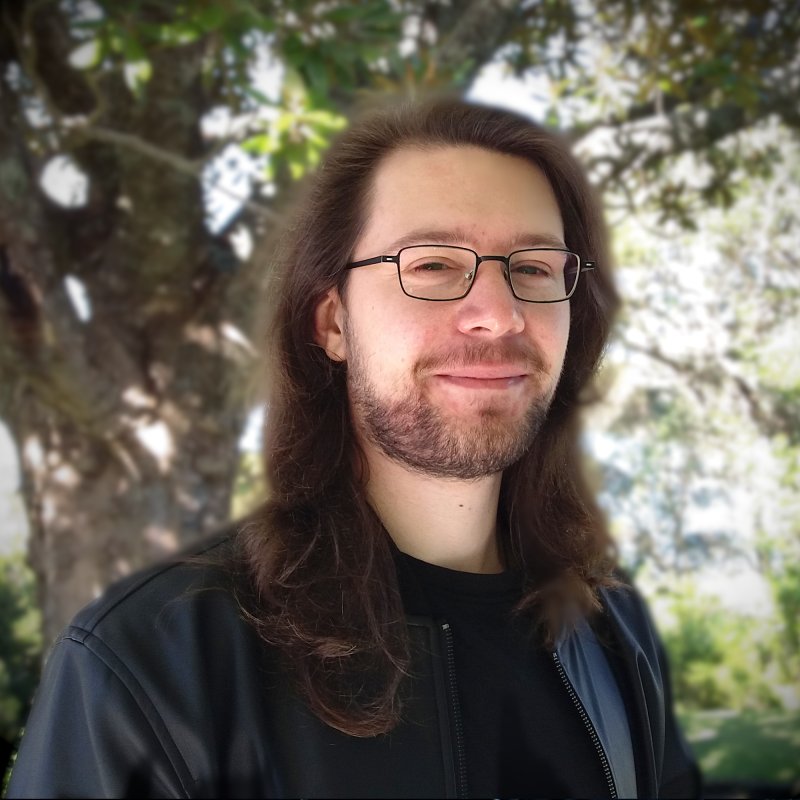
By: Morgan Lee Clasper on August 28, 2026




Writing a novel and writing a blurb may both involve putting words on a page, but the skills involved are surprisingly different. That’s why so many authors have no trouble writing an entire book, but end up staring helplessly at a blank screen when it comes time to describe that book in just a couple hundred words. A blurb is more sales copy than anything else, and the skills needed for writing short and catchy advertising copy are very different from those needed to write a novel.
Morgan Lee Clasper has written thousands of blurbs for authors, which is why we were delighted when he offered to put together this article filled with tips and techniques for busting through the dreaded Blurb Block. By using what he refers to as the Puzzle Method, Morgan believes the best way to build your blurb is by breaking the task into small and manageable pieces, then experimenting with different ways to combine them. It’s a simple shift that can help relieve the pressure of putting together the perfect blurb while making it easier to find a version that grabs a reader’s attention.
Why does sitting down to write your book blurb so often feel like you’re pulling teeth? You’ve written 80, 90, or even 100k words in your novel, and yet this final 200-word blurb defies you.
You might browse some articles or watch a video on how to write a blurb, yet when you sit down with your own book, you hit a mental wall.
You’re not alone. This is a surprisingly common situation, and it’s something I’ve come to call Blurb Block.
Do you have Blurb Block?
Symptoms include:
- Writing a sentence and then immediately deleting it
- Overthinking every word
- Re-writing your blurb a dozen times, not knowing if it’s “good enough”
- Staring at a blinking cursor or blank screen in despair
- And questioning if you’re even good at writing at all!
If you recognize these maddening symptoms, you’re not alone. Blurb Block has been the final boss for many an author. This 200-word piece of sales copy, despite being so deceptively small, is the Achilles ‘ heel that’s holding back so many great books.
The reason it feels so hard:
After working with hundreds of authors, I’ve learned that there are three main reasons behind the dreaded Blurb Block.
Reason 1: Perfectionism
Most authors are perfectionists. We want to get our books just right, to the point where we painstakingly revise every sentence and word choice until we’re completely satisfied. Applying this kind of pressure to your blurb will leave you paralyzed before you even get started.
Reason 2: Not understanding the difference between copywriting and storytelling
Blurb writing is an entirely different beast to writing a book. You may be a great novelist, but that doesn’t automatically mean you’ll be a good copywriter.
Reason 3: Writing it in a linear order
When you write a novel, chances are you start at the beginning and work your way through to the end. But treating your blurb this way will leave you stuck on the first sentence.
But what if the problem isn’t your skill? What if the way you approach blurb writing is what’s actually keeping you stuck?
Change the way you think about blurbs:
Most authors try to force a blurb into existence the same way they’d write a chapter, starting at the beginning and pushing forward until something works. This is how you end up with a blank screen—or a dry, boring summary that will only scare readers away.
You know your blurb has to be perfect; you’re aware that your opening needs to capture reader interest, but you’re putting so much pressure on yourself that you can’t seem to think of anything. You’re left paralyzed.
The problem isn’t a lack of ideas. Rather, it’s trying to go from “blank page” to “finished blurb” with no in-between.
After writing over 4,000 blurbs for authors across multiple genres and markets, I’ve developed a method that will help you conquer Blurb Block and get the ball rolling on your next blurb.
The Puzzle Method:
Instead of trying to write your blurb from start to finish, you’re going to break it down into tiny, bite-sized puzzle pieces. Then you’re going to assemble those pieces into a beautiful picture. That way, instead of agonizing over perfection or getting stuck, you can watch your blurb begin to emerge naturally as you brainstorm ideas.
The first step is generating your puzzle pieces. This is your raw material. They can be half-finished sentences, alternate openings, character introductions, or strong words and phrases that you don’t want to forget.
When doing this, give yourself permission to spitball. Your puzzle pieces don’t need to be perfect, and they don’t need to fit together yet. You’re simply building a pile of useable material.
This removes the pressure to make your blurb perfect. You’re free to explore, to experiment, and to throw your half-baked ideas onto the page until something leaps out at you.
One idea will lead to another. A weak line will spark a stronger variation. Or you’ll combine two half-finished fragments into one punchy sentence.
Like a snowball rolling down a mountainside, this method overcomes your initial inertia and makes the process feel steadily easier. As you brainstorm, pay close attention to:
Hook ideas:
These are your short, punchy openers. They land with impact and create immediate tension. Oftentimes, it’s easiest to leave your hook until last, because it’s such an important part of your blurb that you want everything else in place before attempting it. Examples:
- He was never meant to walk free.
- A cryptic message. A family secret. An old lighthouse with a dark past.
- In thirty days, the world will end.
Character introductions:
A blurb’s first paragraph often introduces readers to your protagonist. Experiment with different openings, such as emotional, situational, or role-based.
- Haunted by a past she can’t escape…
- Detective Sanders thought his last case was closed…
- When disgraced knight Arthur Stone returns to the kingdom that banished him…
Conflict and action:
Build your blurb’s stakes by thrusting the reader into the thick of the action. These are the key turning points when something changes for your protagonist. The most obvious example is your inciting incident, but it can also be any moment when the story throws a wrench into your protagonist’s plan.
- But after he receives a harrowing phone call…
- As the virus breaches containment, leaving a trail of bodies in its wake…
- Plunged into a desperate race to catch a cold-blooded killer…
- With nowhere left to turn…
Many blurbs fall flat at this stage because they’re not building sufficient tension, so pay attention to how you can back your protagonist into a corner as the blurb progresses.
Cliffhanger:
This is the moment that either leaves readers eager to buy… or clicking away to find a different book. One effective method is to use a pair of questions that communicate your protagonist’s goals and the cost of failure.
- Can she unravel the secret that has haunted her family for decades? Or will her dreams be lost in the briny deep?
- Will he unmask the killer before they can strike again? Or will he become the next victim?
Again, none of these needs to be final. Don’t worry if your pieces are incomplete. This stage is about generating options to choose from later.
Assembling your blurb:
After you’ve spent time brainstorming your puzzle pieces, you can begin collecting the best versions and combining them. Take one line from each category and see how they fit.
“Detective Sanders thought his last case was closed…
But after he receives a harrowing phone call…
He’s plunged into a desperate race to catch a killer…
Before they can strike again.”
One quick tip is to use transition words like and, when, but, before, & after as connective tissue to join sentences together. I first learned this tip from Bryan Cohen’s How to Write a Sizzling Synopsis.
Let’s try using some different pieces:
“Haunted by a case he thought was behind him…
Detective Sanders is dragged back into the hunt…
After a harrowing phone call changes everything…
And a killer strikes again.”
These puzzle pieces give our blurb a noticeably different tone and feel. The first feels direct and punchy, while the second leans toward atmosphere and suspense.
Not all of your puzzle pieces will end up in the final blurb, and that’s okay. As you’re writing, some options may jump out at you. Other lines might take a few attempts to get right. Just like a real puzzle, you want to try different combinations until you find the one that fits.
That’s the real value behind the Puzzle Method. It lets you test these different versions to find the right one for your book and your audience.
What has changed?
No longer are you grappling with a blank page, trying to force the perfect sentence to appear. Instead of feeling intimidated by a blank screen or seeking perfection by rewriting a single sentence over and over, you’re choosing from a pile of options—and that’s half the battle.
Once you have your puzzle pieces assembled, then you can further refine and polish your blurb. You can tighten your wording, polish the flow, or sharpen your hook.
But instead of wrestling with a blank screen, you’re now shaping something that already exists, like a sculptor carving a statue.
The Puzzle Method doesn’t only make writing your blurb easier. It also makes your final result better, because now you’ve explored multiple angles, tones, and approaches, until you’re left with the strongest possible blurb.
No longer will your blurb be the final boss of publishing. By following this method, you can turn writing your blurb into a manageable, repeatable process.
So, the next time you sit down to write your blurb, don’t try to force it.
Start building your puzzle pieces instead.
Still struggling with your blurb? If you’d rather leave it to someone else, Hidden Gems offers a professional Book Blurb Writing Service that can help turn your story into sales copy designed to catch a reader’s attention.
Share this blog


Morgan Lee Clasper is a copywriter, book sales strategist, and author of The Blurb Puzzle. With over seven years of experience in the publishing industry, he’s worked with New York Times, Wall Street Journal, and USA Today bestselling authors, writing 4,000 blurbs and counting. To get your copy of The Blurb Puzzle, visit morganclasperauthor.com/the-blurb-puzzle.